
You have old furniture and unwanted belongings that need to go. However, booking a removal company raises questions when you have never used one. Will the crew enter your home? Can the final price change? What happens after everything leaves your property?
So, how does junk removal work from the first call to completion? The junk removal process usually involves six steps covering estimates, scheduling, inspection, loading, disposal, and payment. This guide explains what to expect during junk removal and how to prepare for your first appointment.
Step 1: Get a Free Quote
The process begins when you contact a junk removal company. Most providers accept requests through phone calls or online forms. Some also review photographs to estimate the amount of material involved. A clear description helps the company understand your job before arranging collection.
Information to share when requesting a quote:
- Item details: List furniture, appliances, boxes, and other materials requiring removal.
- Quantity: Estimate the number of pieces or the space they occupy.
- Property location: Provide your address and identify where the items are stored.
- Access conditions: Mention stairs, narrow passages, elevators, or restricted parking.
- Photographs: Show the complete pile from angles that reveal its size.
For example, describing three couches gives the company more useful information than requesting general furniture removal. Photographs can also reveal unusually large pieces or difficult access. RIC IDS INC reviews the load and property conditions before preparing a quote for junk removal in Central Florida.
An estimate based on photographs may change after an onsite inspection. The actual load could contain more material than initially reported. Heavy objects and difficult access may also affect labor requirements. Ask which charges are included and when the final price becomes binding.
Step 2: Schedule Your Pickup Window
After discussing the quote, you can request an available collection date. Some companies offer appointments within a few days of your inquiry. Others provide faster service when their crews have open slots. The available schedule depends on location and current workload.
Many providers use arrival windows instead of promising an exact minute. A two-hour window allows for traffic and earlier jobs. Some companies also send confirmation messages or call before arriving. Ask how your provider communicates delays or appointment changes.
Customers facing an urgent deadline can check same-day junk removal availability with RIC IDS INC. The company offers this option when crew capacity permits. Providing your address and item photographs helps the team assess whether your preferred date is possible.
Scheduling also involves practical access arrangements that customers sometimes overlook. Apartment residents may need elevator reservations or approval from building management. Gated properties require entry instructions, while narrow driveways can limit truck access. Share these details before the scheduled visit.
Step 3: Team Arrives & Walkthrough
When the crew arrives, workers first review the items requiring removal. They may compare the actual load against photographs or earlier descriptions. This inspection helps identify additional materials and potential access problems. You should also confirm which nearby belongings must remain untouched.
For example, a garage might contain discarded shelves beside expensive tools. Clearly identifying approved items reduces the risk of accidental removal. The crew can then assess the carrying distance and any obstacles. These conditions may influence the final labor requirements.
If your initial estimate was provisional, the company may revise it onsite. Request an explanation whenever the amount differs from your earlier quote. Ask whether additional labor or disposal charges account for the difference. Approve the final price before allowing loading to begin.
Some companies offer onsite estimates without requiring customers to proceed. However, cancellation charges and approval policies vary between providers. Confirm these terms when making your appointment rather than assuming every estimate carries identical conditions. This helps prevent misunderstandings after the crew arrives.

Step 4 Point-and-Haul: The Actual Removal
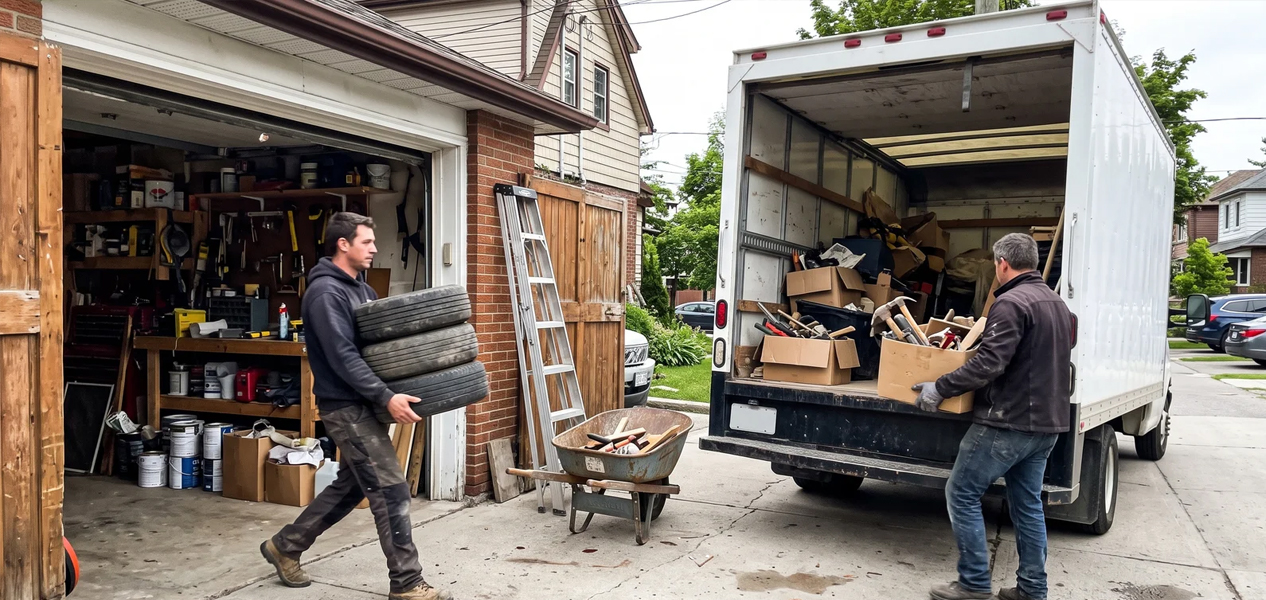
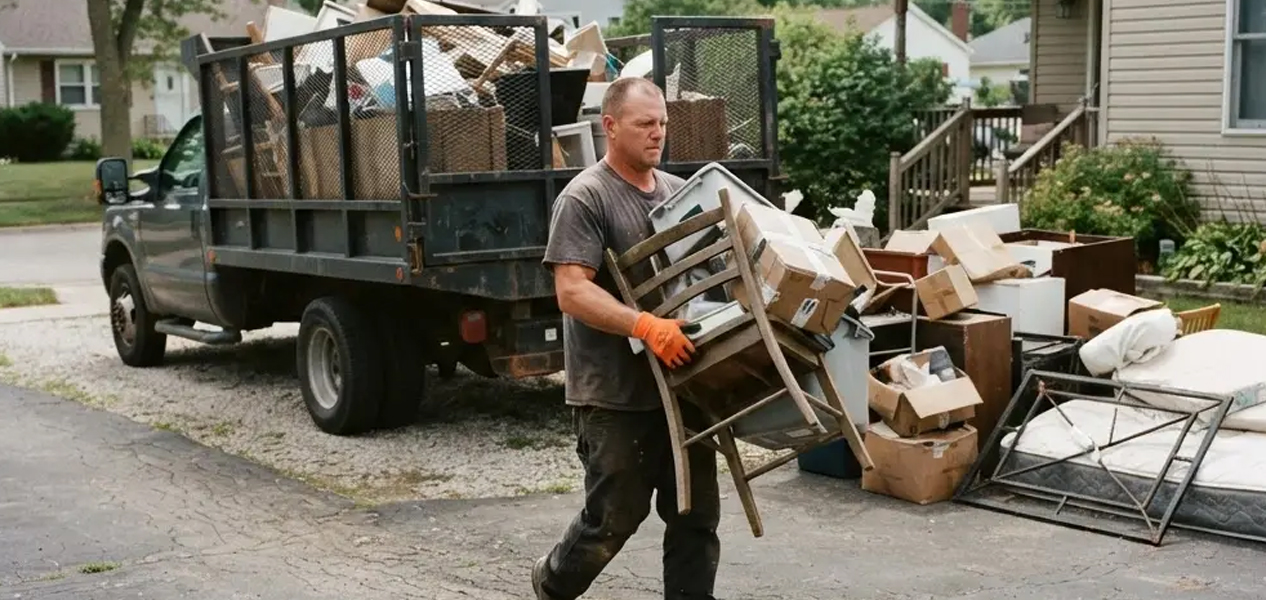
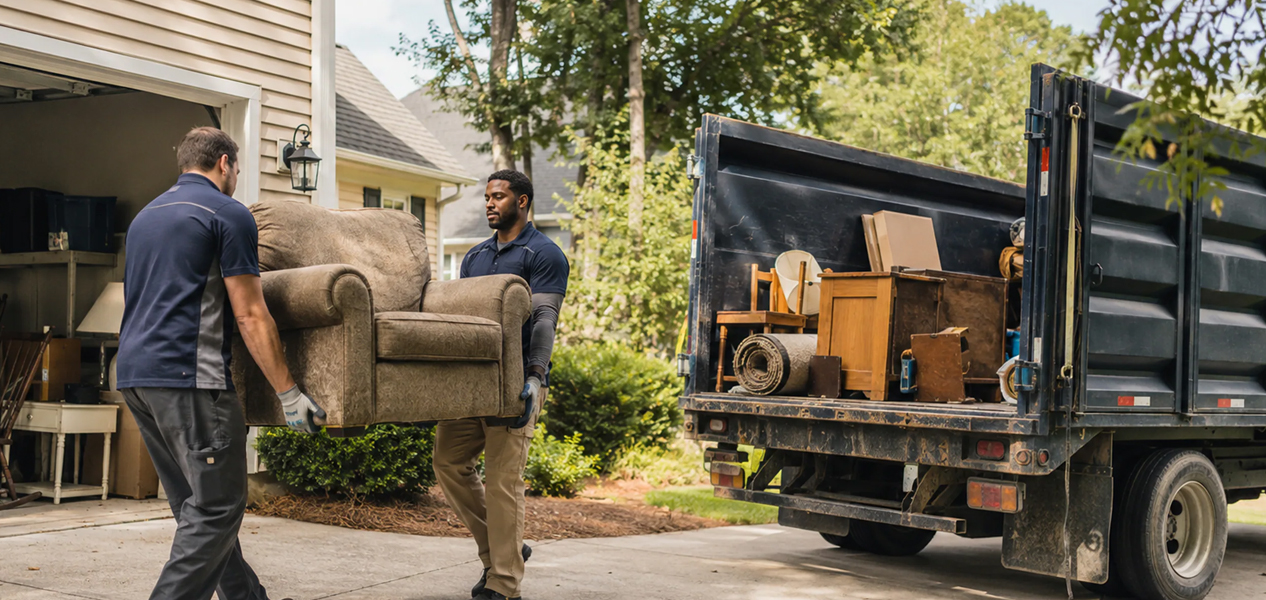
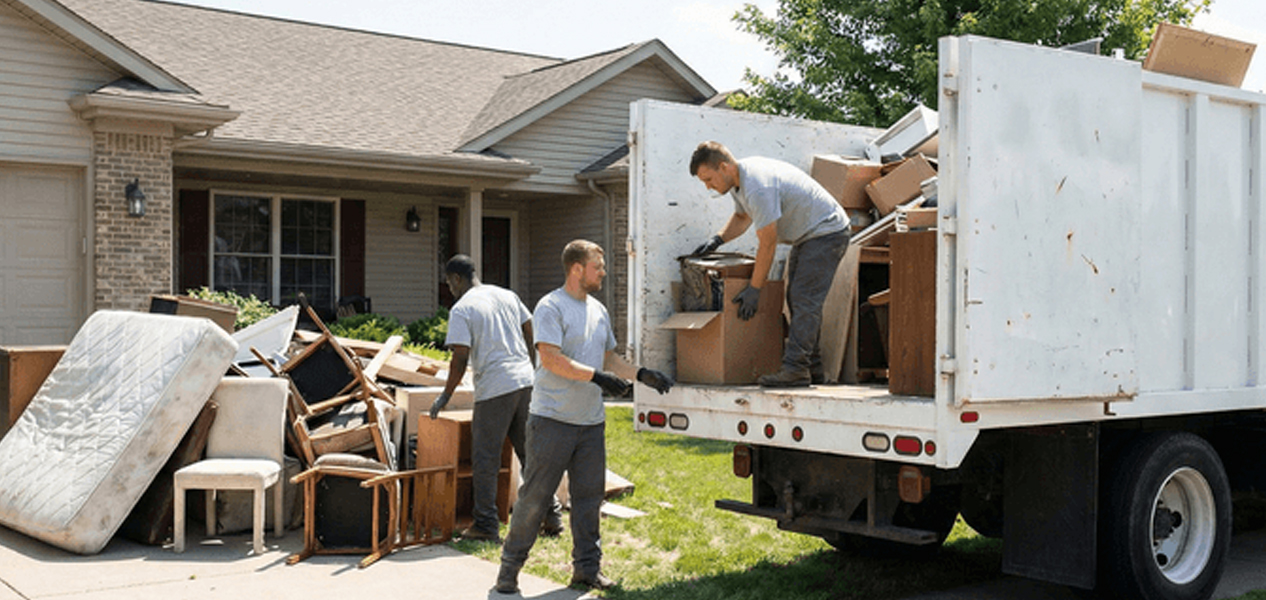
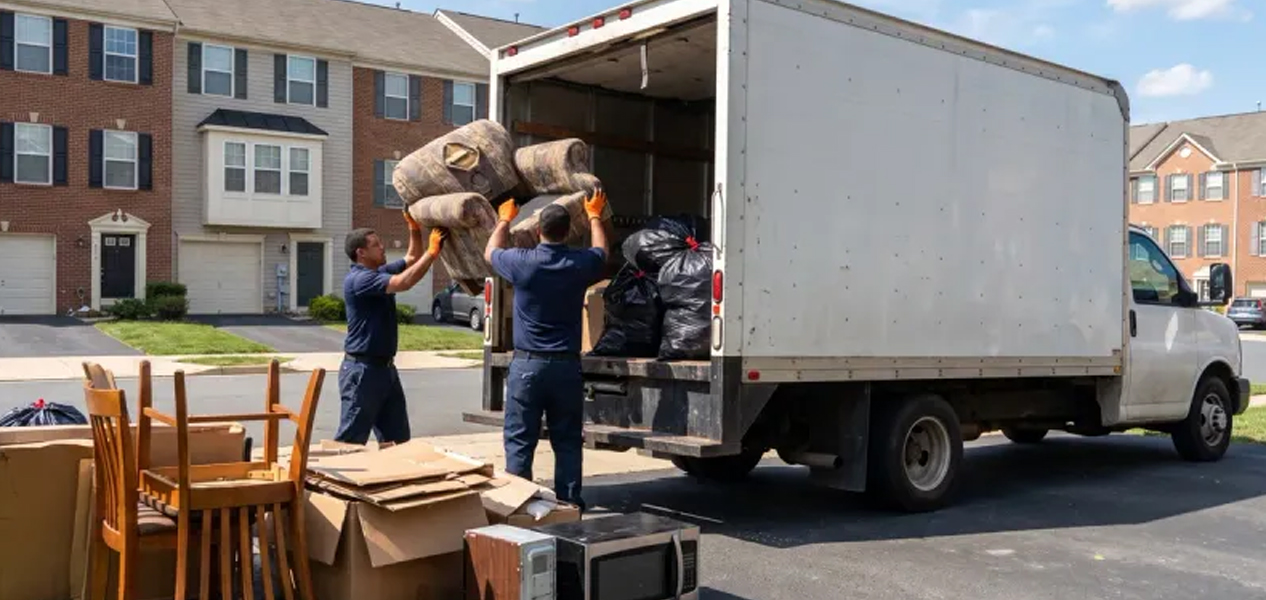
Once you approve the work, the crew begins removing the selected items. Workers generally handle carrying and loading approved belongings into their truck. This may include furniture stored in accessible garages or upstairs rooms. You normally do not need to lift everything yourself.
However, certain objects require additional planning before they can leave safely. Large cabinets might need dismantling to pass through narrow doorways. Built-in fixtures may require separate removal work rather than ordinary hauling. Confirm these requirements before the crew starts.
Property access also influences how workers approach heavy or awkward objects. Tight staircases can require additional people or suitable lifting equipment. Keep children and pets away from the working area during collection. Allow the crew enough room to move larger belongings safely.
A crowded garage presents different challenges from a single furniture pickup. Workers may need to identify loose materials before removing larger pieces. For extensive projects, a dedicated garage cleanout service can address accumulated belongings across the entire space. The agreed scope determines what the crew removes.
Step 5: Sorting: Donate, Recycle, Dispose
After collection, removed belongings may follow different disposal routes based on their condition. Furniture that remains usable may qualify for donation to local organizations. Metal and certain electronics can enter recycling programs. Other materials require disposal at facilities authorized to accept them.
Not every unwanted item can be recycled or donated. A damaged mattress may fail donation requirements, while certain appliances need special handling. Ask your removal provider how they manage different materials. The final destination depends on local facilities and their acceptance rules.
Step 6: Payment & Confirmation
Before completing payment, inspect the areas where the crew worked. Check that the approved belongings are gone and nothing was removed accidentally. Workers may perform a basic sweep to collect small debris left during loading. Confirm whether this service was included beforehand.
Review the final invoice against the price you approved earlier. Payment options may include cash, cards, or online transactions, depending on the provider. Request a receipt showing the completed service and total amount charged. Keep this record for future reference.
How Long Does the Process Take?
The time required depends on the amount of junk and its location. Requesting an estimate may take only a few minutes with complete information. Scheduling depends on available appointments, while the actual collection time varies with the size of your load.
A small furniture pickup might take approximately 30 minutes once workers arrive. Clearing several rooms can require multiple hours, especially when stairs complicate access. Large appliances and items requiring dismantling may increase the duration. These are estimates rather than guaranteed service times.
You should also distinguish pickup time from the complete disposal process. Workers may transport collected materials to recycling centers or disposal facilities afterward. This means the crew can finish at your property before sorting and disposal are complete.
What You Should Do Before the Team Arrives
Good preparation helps workers identify your belongings and access them safely. You do not necessarily need to move everything outside beforehand. However, a few simple arrangements can prevent confusion during collection. Preparing the property also helps avoid unnecessary delays after arrival.
Before your appointment, review these important tasks:
- Identify unwanted items: Clearly mark or group belongings that need removal.
- Clear access routes: Move small obstacles away from hallways, staircases, and doorways.
- Separate uncertain items: Keep anything you might retain away from the removal area.
- Protect personal belongings: Remove cash, documents, jewelry, and other valuables.
- Check electronics: Remove personal information from computers and storage devices before disposal.
- Confirm property access: Arrange parking, gate entry, or elevator access when necessary.
For example, a basement may contain unwanted furniture beside boxes of family belongings. Separating these items beforehand helps workers understand which materials belong in the truck. You should also identify anything requiring special handling before the appointment begins.
Final Thoughts
Understanding the junk removal process helps you prepare for each stage. From requesting an estimate to reviewing the completed work, clear communication matters. Knowing what to expect also helps prevent misunderstandings about pricing, collection limits, and property access during your scheduled appointment.
Before booking, prepare your item list and explain any access concerns. Confirm the final price and ask about materials requiring special handling. Ready to see the process in action? Contact RIC IDS INC to discuss your removal needs and request a free quote.
Frequently Asked Questions
Do I need to be home during the pickup?
Some junk removal companies allow customers to arrange collection without being present. However, this depends on property access and the company's approval requirements. You may need to authorize the final quote remotely. Confirm attendance and payment arrangements before your appointment.
How is the price calculated on-site?
Crews generally assess the amount of material requiring removal and the work involved. Truck space, material weight, disposal requirements, and difficult access may affect the price. Some companies use fixed charges for individual items. Always approve the final amount before loading begins.
What if I have more junk than I quoted?
Additional items may increase the amount of truck space or labor required. The crew can review the expanded load and explain any price changes. Larger quantities might also exceed the available truck capacity. Confirm the revised estimate before authorizing additional removal.
Can I add or remove items on the day of pickup?
Many companies allow customers to adjust their item lists before loading begins. Adding large objects may increase the price or require more truck space. Removing items could reduce the charge under certain pricing methods. Ask the crew to confirm any revised amount.