
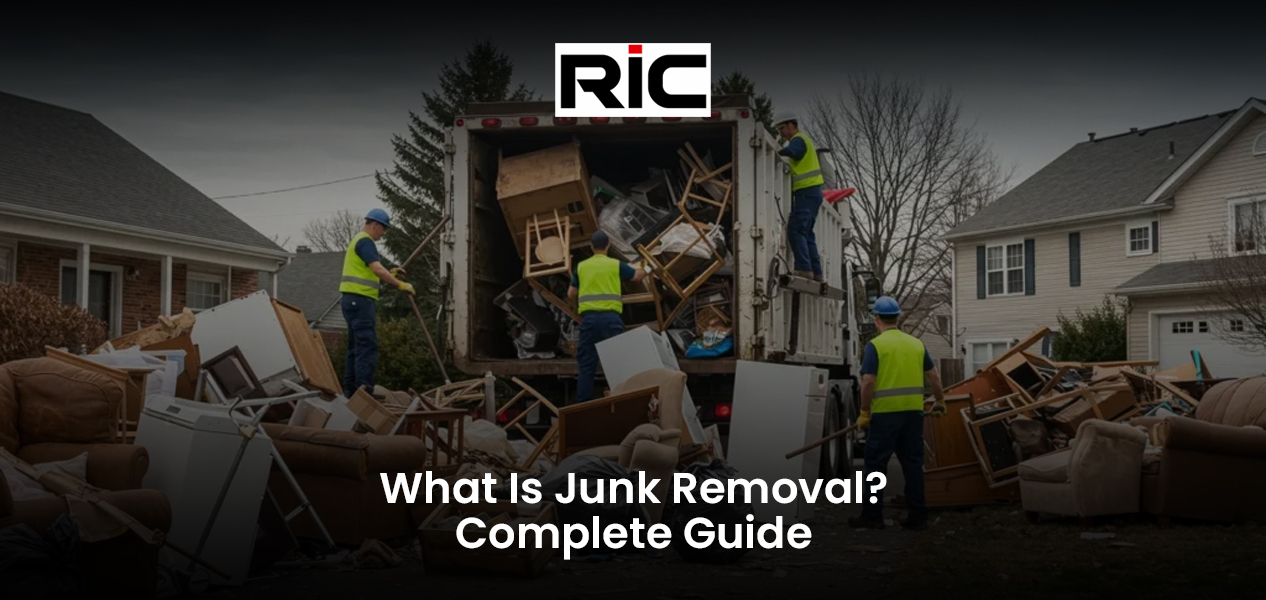
Old furniture crowds the garage while broken appliances occupy valuable storage space. After a move or renovation, unwanted belongings can pile up quickly. Regular trash collection often cannot handle these large or heavy items. So, what is junk removal, and how does it solve this problem?
Junk removal is a professional service that collects and hauls unwanted items away. This junk removal guide explains the process, accepted materials, costs, and available options. You will learn how professional hauling works and when hiring help makes sense.
What Is Junk Removal?
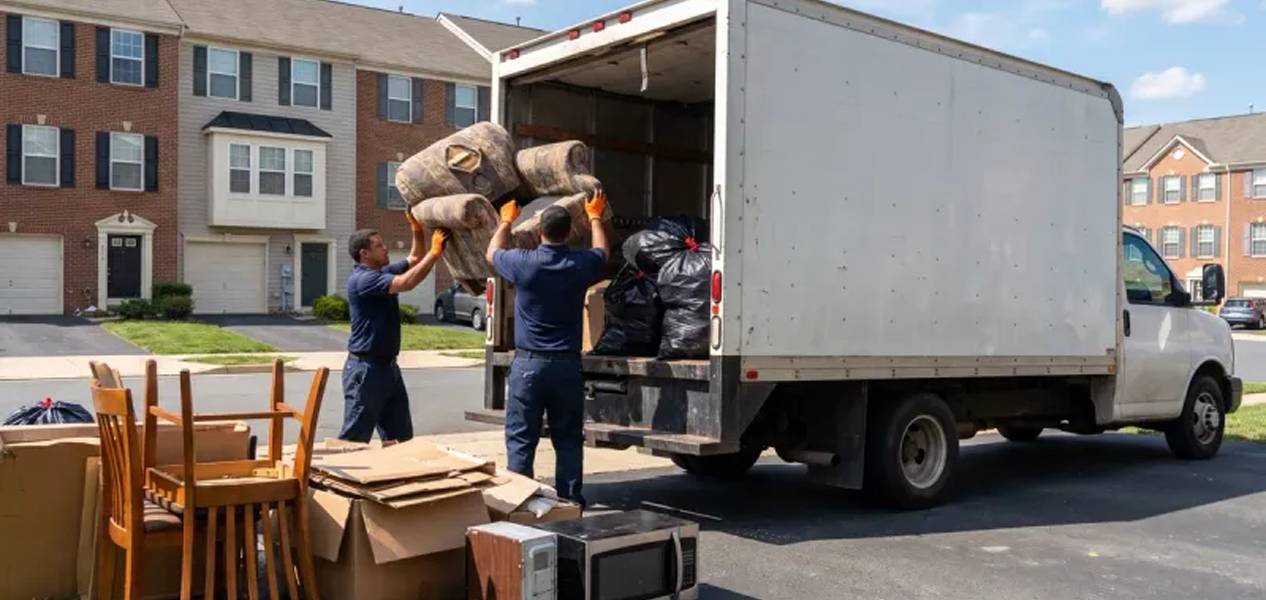
Junk removal is a service for collecting and transporting unwanted belongings. It covers household clutter, bulky furniture, damaged appliances, and certain construction materials. Removal crews handle the lifting and loading before transporting approved items away.
Unlike regular garbage collection, this service handles items outside normal curbside pickup. Most trash services collect waste placed inside designated bins on scheduled days. Large furniture and renovation debris often require separate collection or special arrangements.
Professional junk removal generally serves several types of properties and situations.
- Residential cleanouts: Removing unwanted belongings from houses, apartments, garages, basements, and storage areas.
- Commercial cleanouts: Clearing old office furniture, damaged equipment, and unused materials from business properties.
- Property cleanouts: Removing belongings left after moves, tenant departures, or estate settlements.
- Renovation cleanup: Collecting approved building materials and debris remaining after construction work.
Not every unwanted item belongs in a landfill. A working refrigerator may become unnecessary after someone remodels their kitchen. An old dining table might still be useful to another household. Some removal companies work with donation centers and recycling facilities. However, the final destination depends on item condition and available disposal services.
For homeowners and businesses facing larger loads, junk removal in Central Florida offers a practical alternative to transporting everything independently.
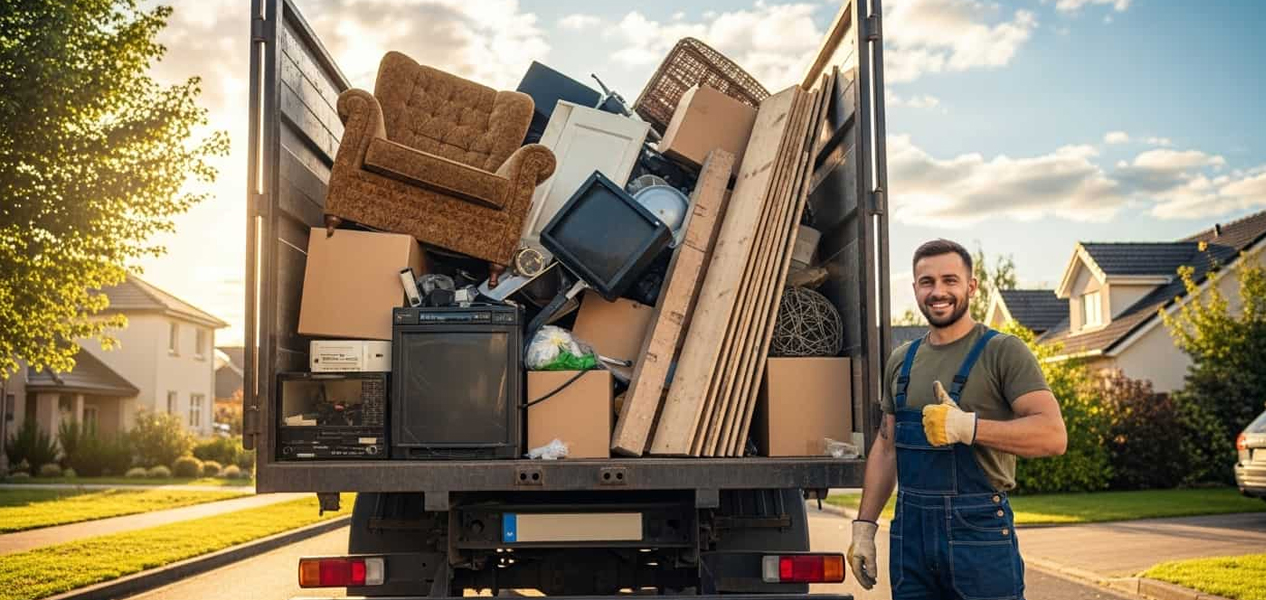
How Does Junk Removal Work? (Step-by-Step)
Most junk removal companies follow a similar process from booking to collection. Knowing what happens during each stage helps you prepare for your appointment. It also gives you time to discuss potential charges before work begins.
Step 1: Request a Quote
Start by telling the company which items you need removed. Share their approximate sizes and explain where they are located. Many companies accept photographs to help estimate the required truck space. However, the final price may depend on an inspection. Ask whether the initial estimate includes labor and disposal charges.
Step 2: Schedule a Pickup Window
After reviewing the estimate, choose an available date for collection. The company may provide an arrival window based on crew availability. Mention locked gates, narrow hallways, stairs, or difficult parking conditions beforehand. These details help workers prepare for the property's access requirements. Ask whether someone must remain onsite during the appointment.
Step 3: Team Arrives & Points-and-Haul
When the crew arrives, show them exactly what needs removing. Identify any nearby belongings that must stay on the property. Workers may confirm the final price before starting the job. Once you approve the work, they begin carrying and loading items. Keep walkways clear to reduce obstacles during removal.
Step 4: Sorting: Donate, Recycle, Dispose
After collection, approved materials may follow different disposal routes. Furniture in usable condition might qualify for donation at local charities. Scrap metal and certain electronics may enter approved recycling programs. Broken or unsuitable materials generally require disposal at authorized facilities. These options depend on local resources and the company's actual practices.
Step 5: Payment & Confirmation
Check the cleared area before the removal crew leaves. Confirm that all requested items have been collected from the property. Review the final bill and discuss any unexpected charges before paying. Most companies explain their accepted payment methods during the booking process. Request a receipt for your personal or business records.
What Can Junk Removal Companies Take?
Many removal companies accept common household belongings and commercial waste. However, the accepted materials depend on each company's equipment and disposal arrangements.
The following categories cover items commonly handled during professional junk collection.
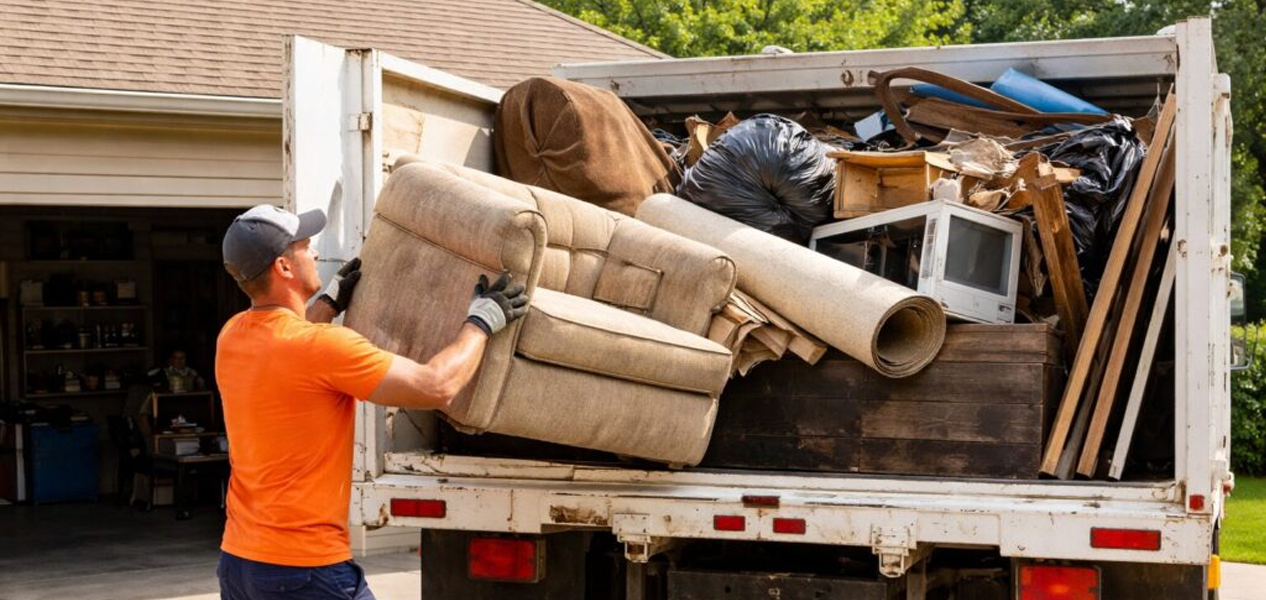
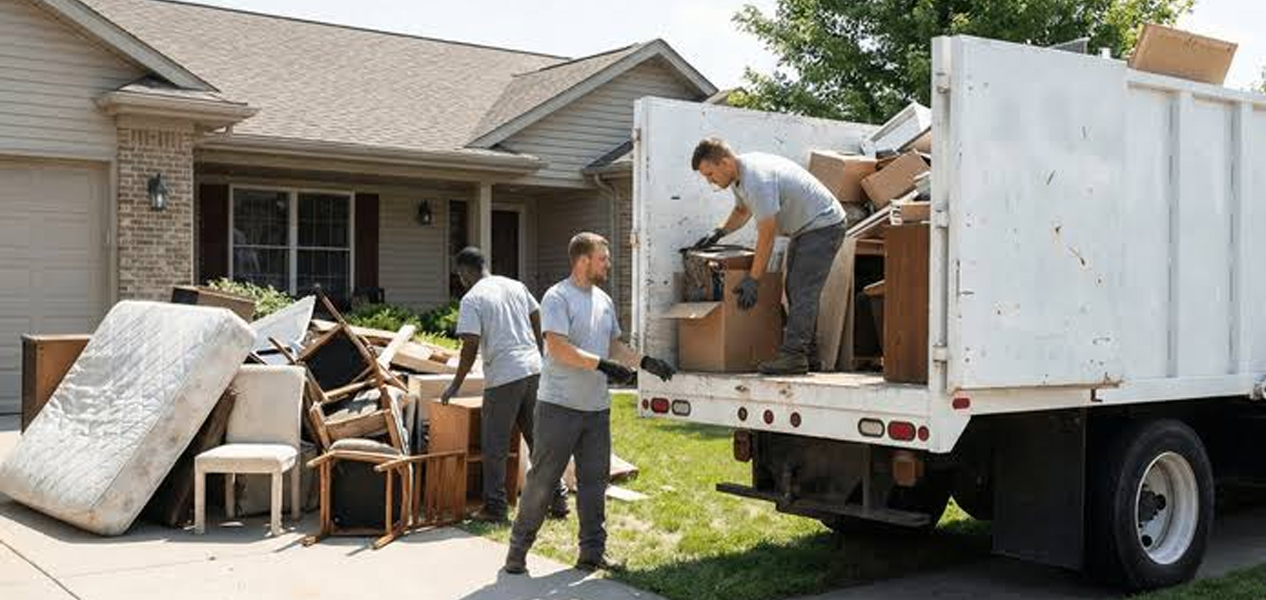
- Furniture: Old sofas, tables, chairs, dressers, cabinets, and bed frames. Professional furniture removal can help when large pieces are difficult to carry through doorways.
- Appliances: Washing machines, dryers, ovens, dishwashers, and refrigerators. Certain appliances require specific handling before transportation or disposal. A dedicated appliance removal service can address those requirements.
- Electronics: Televisions, desktop computers, monitors, printers, and outdated office equipment. Some electronics require collection through specialized recycling facilities.
- Mattresses: Old mattresses, box springs, and related bedroom items. Acceptance may depend on their condition and local disposal rules.
- Construction debris: Wood, drywall, flooring, cabinets, and materials left after remodeling. Larger projects may require separate construction debris removal arrangements.
- Yard waste: Tree branches, leaves, shrubs, and accumulated garden debris. Soil and unusually heavy outdoor materials may require separate approval.
- Scrap metal: Metal shelving, unused fixtures, frames, and certain discarded equipment. Recycling options depend on the metal and its condition.
- Estate cleanout items: Household furniture, stored belongings, and miscellaneous property contents. An estate cleanout service can help families manage larger removal projects.
- Hoarding cleanup loads: Large collections of household belongings and accumulated materials. These projects may require additional workers and special safety precautions.
Item acceptance is not identical across companies or service areas. Before booking, describe unusual objects and mention anything especially heavy. Clear photographs can also help the company assess your load.
What Junk Removal Companies Usually Don't Take
Some materials create serious risks during transport, handling, or disposal. Regular junk removal crews may lack authorization to collect these substances.
Commonly restricted materials include:
- Hazardous chemicals: Pesticides, gasoline, solvents, and certain industrial cleaning products.
- Paint products: Oil-based paints, chemical thinners, and some coating materials.
- Asbestos: Certain insulation products and older building materials containing hazardous fibers.
- Certain electronic waste: Batteries and electronic components requiring separate recycling procedures.
- Pressurized containers: Propane tanks, compressed gas cylinders, and similar containers with remaining pressure.
Companies may also reject medical waste, contaminated materials, and items presenting serious safety concerns.
Never place hazardous materials inside ordinary junk bags without informing the crew. Improper disposal can expose workers and local communities to harmful substances.
Your local waste authority can explain where restricted materials should go. Some communities offer designated collection programs for household chemicals and electronic waste.
Junk Removal vs Other Options
Getting rid of unwanted belongings does not always require professional hauling. Your choice depends on the amount of waste and available resources. Each removal method has different costs and responsibilities for the customer.
Junk Removal vs Dumpster Rental
Professional junk removal includes workers who collect and load approved materials. Dumpster rental gives you a container to fill at your own pace. You usually handle the loading before the rental company collects it.
A dumpster may suit renovations that produce debris over several days. Professional hauling often works better when everything is ready for immediate collection.
Our junk removal vs dumpster rental guide explains these differences in greater detail.
Junk Removal vs DIY/Self-Haul
Removing junk yourself may cost less when you have suitable transportation. However, you must handle loading and find an approved disposal facility. Vehicle rental, fuel, disposal fees, and physical labor can increase expenses. Heavy furniture may also require help from another person.
Professional hauling becomes more practical when your load requires several trips.
Junk Removal vs Donation Pickup
Donation pickup works best for belongings that remain clean and usable. Charities often accept furniture and household goods that meet their requirements.
However, they may reject damaged appliances, broken furniture, or stained mattresses. Junk removal services generally accept a broader selection of unwanted materials.
| **Option** | **Best For** | **Effort Level** |
|---|---|---|
| Junk removal | Large items and completed cleanouts | Low |
| Dumpster rental | Projects producing waste over several days | Medium to high |
| DIY / Self-Haul | Small loads with available transportation | High |
| Donation pickup | Usable items accepted by charities | Low to medium |
How Much Does Junk Removal Cost?
Junk removal prices vary based on the amount and type of material. Many companies calculate charges according to the space items occupy inside their trucks. Others offer fixed prices for certain items or smaller collections.
In the United States, many standard residential removal jobs cost approximately $150 to $400. Smaller pickups may cost less, while extensive property cleanouts can exceed $800. These are general market estimates rather than confirmed prices from RIC IDS INC.
Several factors influence the final amount:
- Load size: More items usually require additional truck space.
- Material type: Heavy debris and certain appliances may increase disposal costs.
- Property access: Stairs and difficult loading areas can require additional labor.
- Location: Transportation distances and local disposal fees affect overall costs.
- Pricing method: Minimum charges and volume rates vary between providers.
For example, a truck filled with heavy roofing debris may cost more than a similar volume of furniture. Weight restrictions and disposal requirements can explain the difference.
Always request a detailed estimate before confirming your appointment. Ask whether the quoted amount includes labor, transportation, and disposal fees.
Benefits of Hiring a Junk Removal Company
Professional junk removal offers several advantages when unwanted belongings become difficult to manage.
Saves Time and Physical Effort
Removing several large items often involves more work than expected. You may need additional helpers, transportation, and access to disposal facilities. A professional crew handles much of this work during one visit. This can be useful when preparing a property for new occupants.
Responsible Recycling and Donation Instead of Landfill
Some removal companies separate usable belongings from materials requiring disposal. Furniture in suitable condition may qualify for donation to local charities. Metal and certain electronic equipment may also enter recycling programs. Ask your chosen provider how collected materials are actually handled.
Safe Removal of Heavy and Bulky Items
Large furniture can be difficult to move through narrow spaces. Heavy appliances also require careful lifting to reduce injury risks.
Experienced workers can assess access routes and plan the removal process. Proper handling may also reduce damage to nearby walls and floors.
Same-Day or Flexible Scheduling
Some companies provide pickup appointments on short notice when crews are available. This can help customers facing moving deadlines or scheduled renovations.
However, larger projects may require planning and additional workers. Confirm availability directly before making arrangements around a specific collection date.
Is Junk Removal Worth It?
Hiring a junk removal company makes sense when the work exceeds your available time or resources.
Consider someone disposing of one lightweight chair. Carrying it to an approved collection point may cost very little.
Now consider a garage filled with damaged furniture and unused appliances. Clearing that space independently could require several trips and extra assistance. Professional hauling can reduce those demands while keeping collection arrangements simple.
However, smaller jobs may not justify the minimum service charge. Municipal collection or personal transportation might offer a cheaper alternative.
Compare the complete cost before making your decision. Include disposal fees, transportation, labor, and the time required for each option.
Final Thoughts
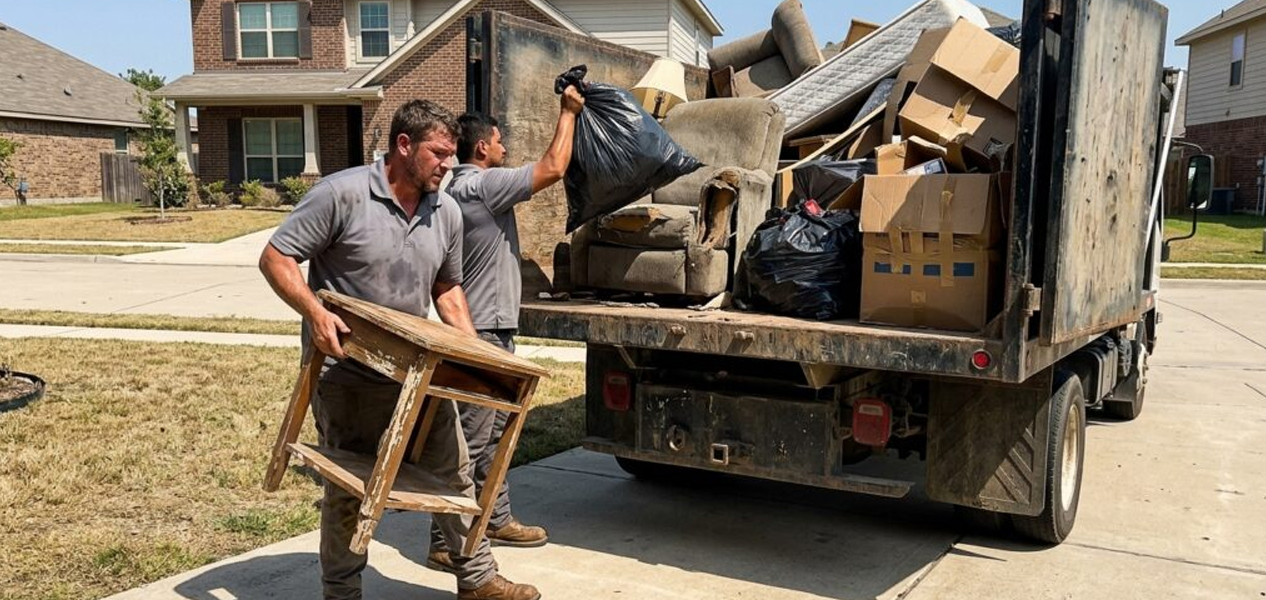
Junk removal helps homeowners and businesses clear unwanted belongings without arranging every part of disposal. Professional crews can handle furniture, appliances, and many other approved materials.
However, the best removal method depends on your budget and workload. Smaller loads may suit personal transportation or local collection programs. Larger projects often benefit from professional assistance.
Before booking, confirm which materials the company accepts and request clear pricing.
Ready to clear your space? Contact RIC IDS INC to discuss your removal needs and request a free quote. Our team can help you review the items and arrange a suitable collection.
Frequently Asked Questions
Does junk removal take everything?
No. Most companies accept furniture, appliances, household belongings, and approved building debris. However, hazardous chemicals and certain electronic materials may require specialized disposal. Each provider has different restrictions based on local regulations and available equipment. Confirm your item list before scheduling collection.
Do I need to be home during pickup?
Not always. Some providers permit collection without the customer present when arrangements are confirmed beforehand. You may need to provide access instructions and approve payment remotely. Other companies require someone onsite to confirm which belongings should be removed. Ask about attendance requirements during booking.
How fast can a junk removal company arrive?
Some companies offer same-day or next-day collection when appointments are available. Actual timing depends on crew schedules, travel distance, and job size. Large property cleanouts may require additional planning before collection begins. Contact the provider directly when working with a specific deadline.
Is tipping the crew expected?
Tipping is generally optional and depends on your personal preference. Some customers tip workers who handle difficult stairs or unusually heavy objects. There is no universal amount required for junk removal services. Review your service charges before deciding whether to offer anything additional.